The refugee communities we serve face many challenges, but unemployment remains the greatest. It has led to widespread poverty, school dropouts, domestic violence, crime, hopelessness, and dependence on humanitarian aid. Behind these challenges are deeper root causes: negative mindsets created by years of displacement, limited employment opportunities, poor access to quality education, rapid population growth, and the fact that many educational certificates from the Democratic Republic of the Congo (DRC), Sudan, etc. are not recognized in Uganda, leaving many educated refugees unable to continue their studies or secure employment.
One experience deeply affected me.
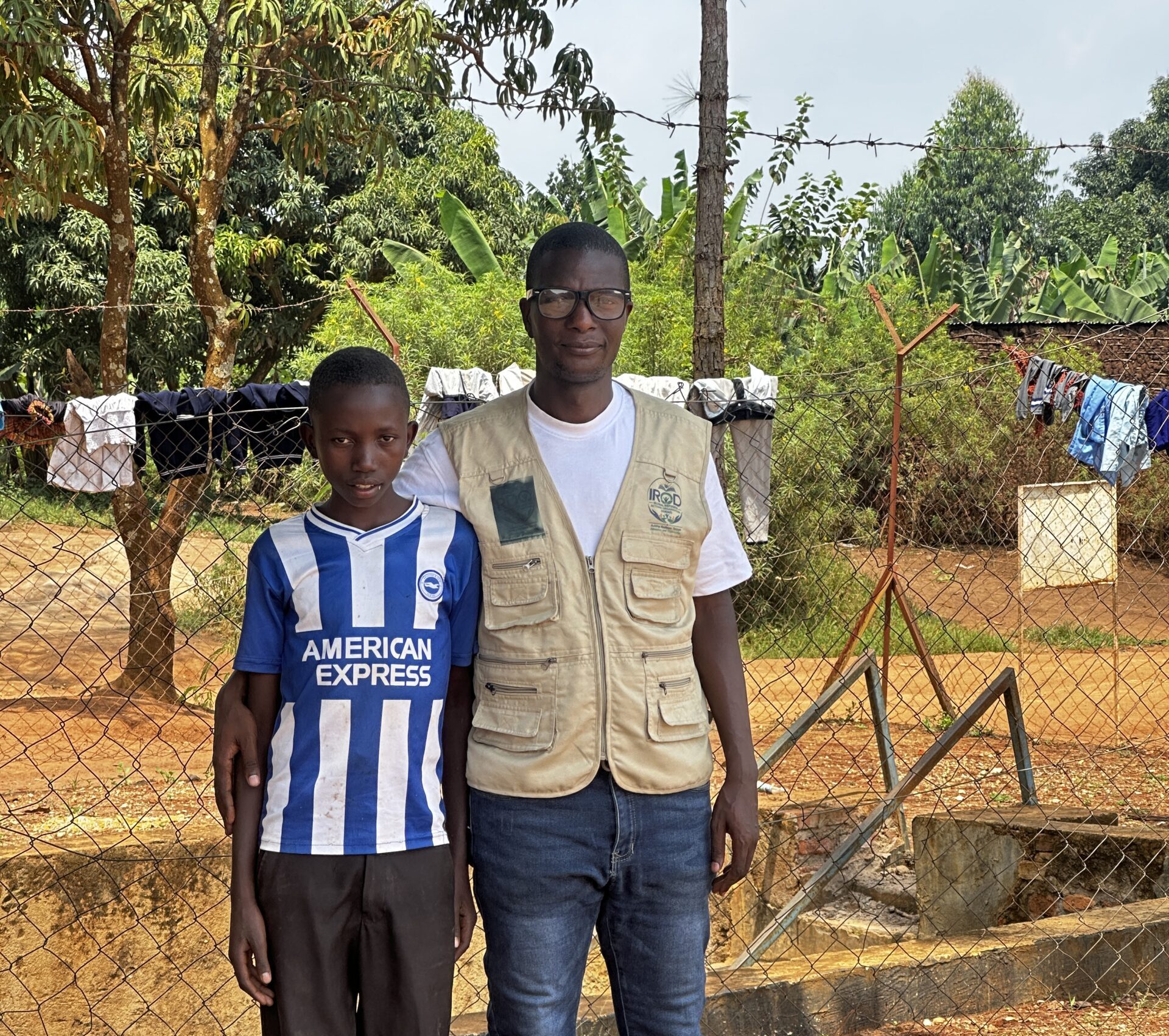
Recently, in June 2026, I spoke with a young boy called Patrick, 14 years old.
I asked him whether he was attending school. He replied, “No.”
I then asked if he had ever attended school. He answered, “Yes, up to Primary Four.”
I asked him to bring me his report cards so that I could understand his academic progress. His response shocked me. He explained that his guardians had never been able to pay the required school fees for report cards. I then asked, “How were you promoted from one class to another without report cards?”
He quietly replied, “I simply knew where the next class was. I entered the classroom, sat with the other children, and continued learning. Whether I attended or not, the teachers never noticed because there were too many children, and the teachers did not know every student in the class.”
This child is not an isolated case. His story reflects the reality of many refugee children who desperately want an education but are trapped by poverty and overcrowded schools. Many children attend classes without proper registration, while thousands eventually drop out altogether because their families cannot afford even the smallest education-related costs.
This is why investment in education, skills training, and livelihood opportunities is urgent. By empowering families to earn sustainable incomes and by improving access to quality education, we can break the cycle of poverty and give refugee children the opportunity to build a better future.

Leave a Reply